
• About
  • Blog
  • Forensic Disciplines
    • Foundations of Forensics
    • Arson
    • Bite Mark
    • Blood & Bodily Fluids
    • Child Abuse Allegations
    • Crime Scene Investigation
    • Death by Distribution
    • Death Investigation
    • Detection Dogs
    • Digital Evidence
    • DNA
    • Drug Analysis
    • Drug Recognition Experts
    • Eyewitness ID
    • Fingerprints
    • Firearms
    • Forensic/Sexual Assault Exams
    • Measurement Uncertainty
    • Mental Health
    • Toxicology
    • Trace Evidence
  • Resources
    • Forensic Consultations
    • Books
    • Cases
    • Featured Articles
    • Legislation
    • Motions and Briefs
      • Discovery Motions
      • Funding for Experts
      • Motions for Appropriate Relief
      • Motions to Exclude Expert Testimony
      • Motions for Independent Testing
      • Motions to Preserve Evidence
      • Motions to Suppress
      • Analyst Certification Motions
    • Reports & Publications
    • Trainings
    • Websites
    • Forensic Terminology
    • Online Research Tools
  • Crime Labs
    • General Information
    • NC State Crime Lab Procedures
    • Charlotte Mecklenburg Crime Lab
    • CCBI Lab Procedures
    • NC OCME Toxicology Lab
    • Pitt Co. Sheriff’s Forensic Services
    • Sec. of State Digital Forensic Lab
    • Wilmington Police Dept Crime Lab
    • Private and Out-of-State Labs
  • News Articles
  • Experts
    • Browse All Experts
    • Working with Experts
    • Expert Services Project
    • Add or Update Expert Records
    • Find a Private Investigator
  • Subscribe
  • Menu
  • Skip to primary navigation
  • Skip to main content
  • Skip to primary sidebar

Forensic Resources

North Carolina Office of Indigent Defense Services

Header Right

MENUMENU
  • About
  • Blog
  • Forensic Disciplines
        • Foundations of Forensics
        • Arson
        • Bite Mark
        • Blood & Bodily Fluids
        • Child Abuse Allegations
        • Crime Scene Investigation
        • Death by Distribution
        • Death Investigation
        • Detection Dogs
        • Digital Evidence
        • DNA
        • Drug Analysis
        • Drug Recognition Experts
        • Eyewitness ID
        • Fingerprints
        • Firearms
        • Forensic/Sexual Assault Exams
        • Measurement Uncertainty
        • Mental Health
        • Toxicology
        • Trace Evidence
  • Resources
        • Forensic Consultations
        • Books
        • Cases
        • Featured Articles
        • Legislation
        • Reports & Publications
        • Trainings
        • Websites
        • Forensic Terminology
        • Online Research Tools
        • Motions and Briefs
          • Discovery Motions
          • Funding for Experts
          • Motions for Appropriate Relief
          • Motions to Exclude Expert Testimony
          • Motions for Independent Testing
          • Motions to Preserve Evidence
          • Motions to Suppress
          • Analyst Certification Motions
  • Crime Labs
    • General Information
    • NC State Crime Lab Procedures
    • Charlotte Mecklenburg Crime Lab
    • CCBI Lab Procedures
    • NC OCME Toxicology Lab
    • Pitt Co. Sheriff’s Forensic Services
    • Sec. of State Digital Forensic Lab
    • Wilmington Police Dept Crime Lab
    • Private and Out-of-State Labs
  • News Articles
  • Experts
    • Browse All Experts
    • Working with Experts
    • Expert Services Project
    • Add or Update Expert Records
    • Find a Private Investigator
  • Subscribe
You are here: Home / Trainings / Human Factors in Forensic Science Webinar

Human Factors in Forensic Science Webinar

May 24, 2021 //  by Sarah Olson//  Leave a Comment

Live webinar presented by Jeff Kukucka, Ph.D.
June 3, 2021, 1:00 pm
60 min of CLE credit anticipated
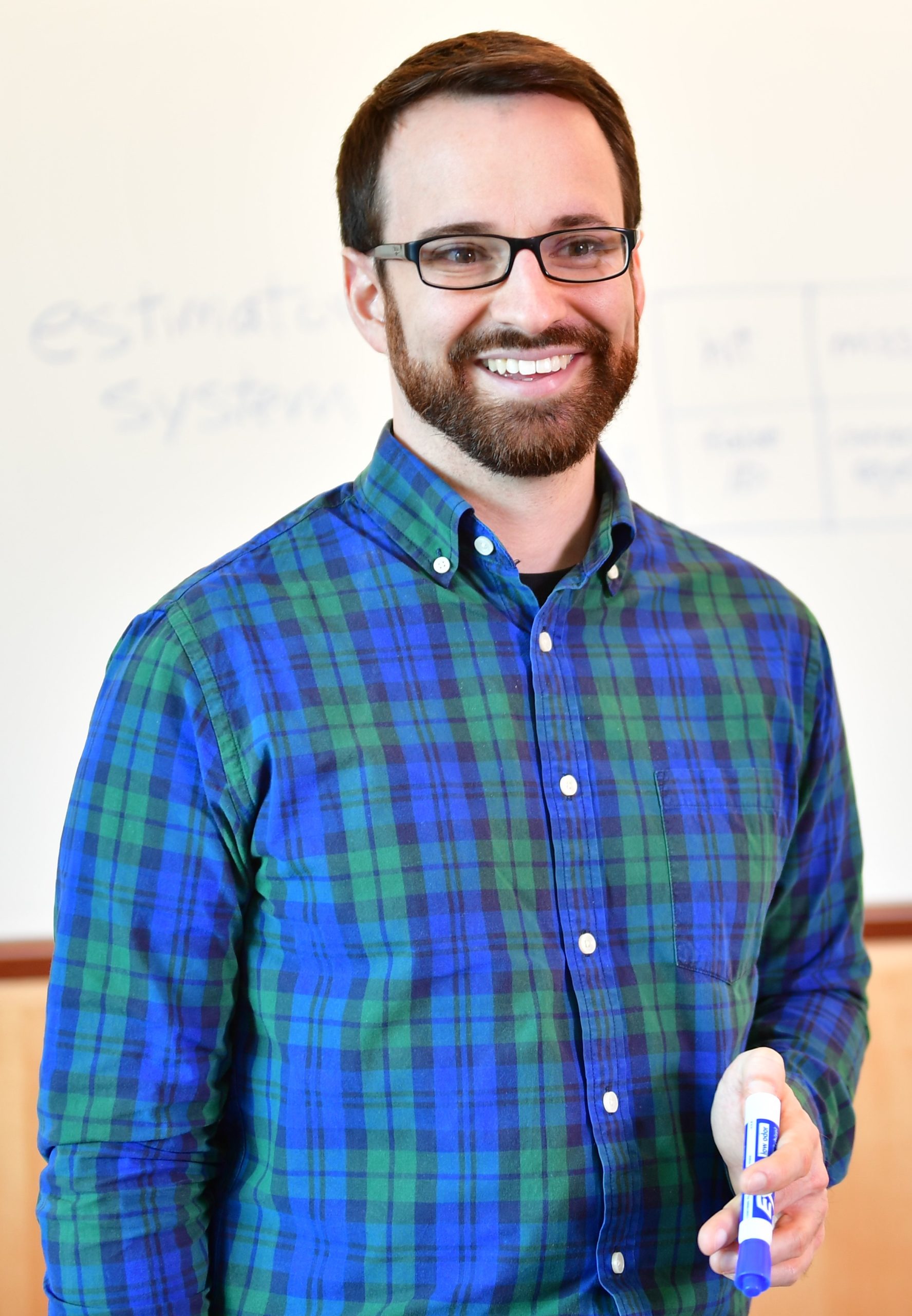
Dr. Jeff Kukucka will present on how social and cognitive biases influence criminal investigations and trials, and how use of psychology can improve the justice system. His presentation will cover recent research on the role that potentially biasing information plays in forensic pathologists’ determination of cause of death. His presentation will help attorneys identify potential sources of bias and offer proposed solutions to reduce the role of bias in the investigation and forensic testing in criminal cases.

Registration:

This program is part of the 2021 IDS Forensic Science Education Series. The webinars will be presented monthly and are free to attend. Attorneys who want CLE credit for attending will be billed $3.50 per credit hour by the State Bar. Use this link to register for all webinars in the series and attend any that are of interest.

Presenter:

In 2009, Dr. Kukuca graduated summa cum laude and Phi Beta Kappa from Loyola College in Maryland. As an undergrad, he became involved in research on conformity and eyewitness memory with Dr. Kerri Goodwin (Towson University) and research on child forensic interviewing and metacognition with Dr. Maggie Bruck (Johns Hopkins University). In 2014, he graduated from the PhD Program in Psychology & Law at the CUNY Graduate Center, where he worked under Dr. Saul Kassin (John Jay College of Criminal Justice).

Dr. Kukucka’s research interests include using psychological science to understand, prevent, and remedy wrongful convictions. His three primary lines of research include: (a) police interrogations and false confessions, including ways to prevent and mitigate the latter, (b) factors that affect the validity and persuasiveness of forensic science evidence, especially cognitive bias, and (c) the post-exoneration adjustment of wrongly convicted individuals, including experiences of stigma and discrimination.

Category: TrainingsForensic Discipline: Crime Labs, Death Investigation

Previous Post: « Autopsy of a Crime Lab: Exposing the Flaws in Forensics Video Panel
Next Post: New Resource for Attorneys Appointed in Felony Sex Offense Cases »

Reader Interactions

Leave a Reply Cancel reply

Your email address will not be published. Required fields are marked *

Site Footer

The Forensic Resource Counsel provides assistance to North Carolina attorneys litigating scientific evidence issues.
Information provided on this website is for educational purposes and does not constitute legal advice.
Copyright © 2026 · Office of Indigent Defense Services · All Rights Reserved · Website by Tomatillo Design

Copyright © 2026 Forensic Resources · All Rights Reserved · Powered by Mai Theme